

the media

The media is often celebrated as the cornerstone of liberty, a space where free expression is prized, and through which the public is informed. However, this interpretation belies a darker intent – the media is not an impartial channel for communicating information, but the most effective instrument of control in modern society.
Since our capacity for analysis and reason are deliberately suppressed, it leaves us reactive to the volatility of our instincts. The media preys on this vulnerability by provoking outrage, conflict, and tribalism. The relentless barrage of opinions, scandals, sensationalism, and argument is there to keep us captive and agitated, rather than to educate and broaden our understanding: it is the modern pulpit, the platform that tells us what to think, what to fear, and where to direct our untempered aggression.
Algorithms – the invisible editors of contemporary media – are designed to reinforce our biases and allegiances; they present content that affirms our identity whilst making us hostile towards others. Over time those personalised streams harden into echo chambers.
Far from encouraging us to question and scrutinise, it is an architecture that results in hostility and bigotry – something that perfectly serves the needs of those that rule: a society preoccupied with trivia and divisions, will not turn its attention to the very structures that have ownership of its destiny. ‘Divide and rule’ – as cliché as it sounds – is still the easiest and most effective form of control. We are told to value our opinions, to argue amongst ourselves, and align with one team or another. And in doing so, we believe we are exercising freedom of thought, when in reality we are being chaperoned into adopting a given belief and handed a flag to wave.
This dynamic is ubiquitous. From sport to entertainment, from politics to war, the formula is the same: two groups pitched against one another, each demanding our allegiance – a process no more considered, or relevant, than calling heads or tails on a flipped coin. The differences we are asked to defend – skin colour, nationality, religion, political ideology, football teams, personalities, leaders – are arbitrary markers elevated into absolutes. What matters is not the substance, but the argument and division these artificial constructs generate.
This manipulation only works because our intellectual development has been systematically erased. Not only does it render us satiated with soundbites and slogans, but it encourages us to prioritise self-interest, to have enemies, and to celebrate short-term victories, whilst our deeper capacities for cooperation, understanding, and long-term responsibility are left untapped. This is why we’re susceptible to the binary logic of the media, and addicted to the ‘excitement’ that these conflicts and distractions provide.
Having abandoned the highly evolved attributes that once ensured our survival, we’re now reduced to fighting over superficial differences and unsubstantiated beliefs. The genius of this form of control is that it feels like freedom, because we confuse coercion for choice, and titillation for truth. The media does not reflect the world around us; it defines the limits of how that world can be imagined. And as long as we accept its terms, we remain trapped in the shallow theatre it constructs, ignorant of the true state of the world, and how we’re being played. We are unable to see that the values we are told to defend are the very ones responsible for destroying our future.
the human face of the media
The assumed voices of authority, the solemn tone, the self-importance of being ‘on the scene’, attempt to disguise the fact that journalists have their part to play. Their presence signals significance, their commentary suggests sincerity, and we view them as the bearers of truth, and the interpreters of reality. However, in practice, they act more like priests of a secular religion, reducing the chaos of the world into narratives that preserve the existing order. They do not so much explain events as sanctify them, giving the appearance of meaning to what is often manipulation, accident, or brutality.
By choosing what to show, and more importantly what to ignore, they decide which lives matter, which voices deserve attention, and which conflicts deserve outrage. Their ‘craft’ is not exposure nor education, but reduction: a war becomes a morality play, a disaster becomes a spectacle of grief, an election becomes a horse race. The audience is kept swinging between excitement, anger, and entertainment, but never in a position to see the deeper agendas at work.
This is nowhere more visible than in war reporting. Images of burning cities, fleeing civilians, and soldiers in action are presented as indispensable truth-telling. Yet in reality, they serve as propaganda, inflaming conflict by amplifying fear, hatred, and division.
The journalist’s lens becomes a weapon in its own right, firing stories that travel faster and further than the bullets on the ground. If such reporting were silenced, the propaganda it carries would remain local; instead, by broadcasting it globally, journalism extends the battlefield directly into every living room.
There are many international awards that celebrate war photography. But when tragedy earns trophies, empathy has become a performance, and we perversely applaud the beauty of our own brutality.
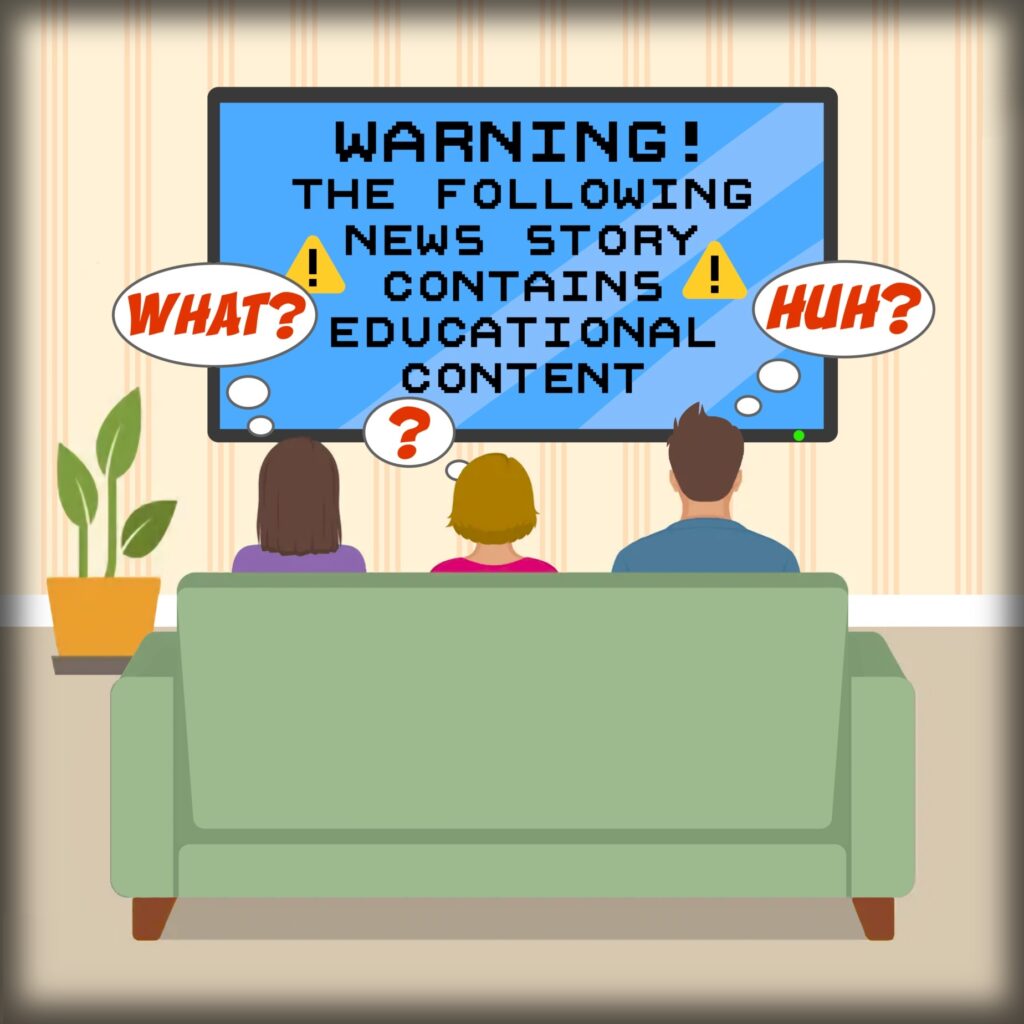
Journalists are not neutral observers but instruments of continuity. By dramatising violence, they make it tolerable. By personalising conflict, they conceal its roots in history, economics, power, and corruption. By pursuing sensation – that what is deemed ‘newsworthy’ – they obscure the larger patterns that would make sense of events. News becomes less about truth than about spectacle: more drama than substance, more entertainment than analysis. What they report is a fog of ‘stories’ behind which the real truth is kept secret.
The tragedy is that many journalists believe in their role as witnesses, even though their work ensures our ignorance. They are complicit, not by fabricating lies but by presenting fragments and half-truths as revelation. In giving sensation the weight of meaning, journalism inflames division, stirs conflict, and keeps humanity transfixed on the drama of shadows while the real culprits of the exploitation, suffering, and death remain at large perpetuating the madness with impunity.
April 2025